SPORTS DRINKS, DEHYDRATION & SUMMER FITNESS

Admin • July 24, 2018
Sun

About 5 years ago, I learned a very hard lesson about the difference between drinking sports drinks with electrolytes and drinking plain water while exercising. It was a hot September day...over 90 degrees. I was with some friends doing an adventure/obstacle course race. Because there were so many people, there were lines at the obstacles and we wound up being on the course for over 3 hours. I felt awful — headachy, confused and sluggish. I assumed I was dehydrated and kept drinking more and more water. As soon as we crossed the finish line, I collapsed and my arms and legs seized up. In the medical tent I told the doctor I was dehydrated and he said, “No, you’re OVER HYDRATED. It is a very serious difference.”
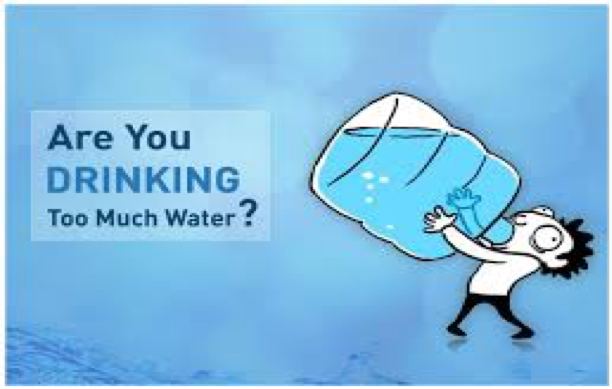
Are you Drinking Too much water?

I had drank TOO MUCH water and diluted the sodium concentration in my blood. After I was rehydrated appropriately and released from the tent, the doctor told me to be sure that in the future when exercising for extended periods of time and (or) in the extreme heat that I should always be sure to take in electrolytes.


Mine was an extreme case for sure, due to the heat and the extended period of time we were exerting ourselves. Luckily, most athletes can avoid dehydration simply by consuming water before, during and after exercise. So when is a sports drink necessary and when will water do the job?

sports drinks contain carbohydrates

Unlike water, sports drinks contain carbohydrates (in the form of simple sugars) and electrolytes. Electrolytes are minerals such as sodium, calcium, potassium and magnesium. They help to keep the body’s balance of fluids at proper levels. Common grocery store sports drinks usually contain just two of these vital electrolytes — sodium and potassium. These elements help to pull water into cells and keep it there. Potassium also helps to regulate muscle contractions, while carbohydrates are used for energy during exercise. So why not just consume sports drinks during warm weather exercise to be on the safe side? There are a few downsides:


  • One 20-oz sports drink has 9 teaspoons of sugar.
  • 135 calories in a 20-oz beverage are from just sugar. Many 30-minute activities will burn just slightly over that.
  • Athletes often have a hard time breaking down sugar during endurance events and can experience stomach upset; although recent changes to the ratios of carbohydrates and electrolytes have led to improvement in this area.
  • Calorie cost and financial cost can add up for frequent exercisers.
Sugar

Plain water is sufficient for hydration for activities such as walking, weight lifting, casual bike rides and any activity that takes less than 60 minutes outside. It is suggested that being hydrated before you begin to work out in the heat is as important as consuming beverages during your routine. A suggested ratio is 2 cups of water before, 20-24 oz per hour and some water or other liquids upon completion. A clear, yellow, odorless urine stream is a sign of adequate hydration, while a headache and or a decrease in sweating is an indication that dehydration could be occurring and should be addressed. Sports drinks should be used for extended periods of continuous exercise or in extreme heat and humidity. Continuous exercise would be defined as running, cycling, or other aerobic events lasting 1-4 hours or more. Of course, water and sports drinks are not your only choices. Vitamin waters, caffeinated drinks such as coffee and tea, and even soda all contribute to hydration. According The Hydration Index, milk beats all other beverages, including sports drinks, in preventing post exercise fluid loss. Milk also includes protein, fat and many nutrients that promote post exercise recovery.
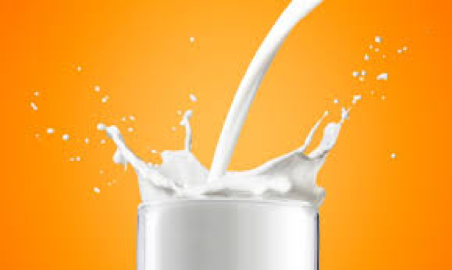
Glass of Milk

Taste, availability and preference will determine which works for you. Experiment with different beverages and combinations to see what gives you the best results. As a distance cyclist, I spend 3-4 or more hours on my bike every Sunday, along with shorter rides during the week. I have found a diluted sports drink in one bottle, water in the other and a halfway stop for cold coffee to be the magic combination that works for me. I make sure to consume one bottle every hour, alternating between the sports drink and the water. On very hot days I also eat a salty snack when I stop. I keep my experience of 5 years ago and the lessons that I learned in the back of my mind and have never had another bad experience. As always if you have any questions about this column, related issues or any fitness related concerns please do not hesitate to contact me.  Megan Leipholtz CPT  mleipholtz@msn.com (763) 439-3191
By Lyssa Lovejoy, CPT, Owner • September 29, 2026
October brings a lot of pink into our clubs. For some, pink represents hope. For others, it brings back a diagnosis, a hard season of treatment, or someone they miss. Many of us have been touched by cancer through our own experience or through someone we love.
By Lyssa Lovejoy, CPT, Owner • September 17, 2026
ACE, AFAA, ISSA, NETA
By Kyle Knisley • June 23, 2026
15 yrs. Performance Coach, Cross Fit, ISSA CPT, Strength & Conditioning
By Lyssa Lovejoy, Owner, ACE, AFAA, ISSA, NETA • May 27, 2026
We’re Surrounded By People… So Why Are So Many Still Struggling
By Susie Super • February 6, 2026
American Heart Month is the perfect reminder to focus on one of the most important parts of your health—your heart. Heart disease continues to impact millions of Americans, yet many people don’t realize that small daily choices can dramatically reduce risk over time. The truth is simple and empowering: many forms of heart disease are preventable. With the right information, early awareness of symptoms, and consistent healthy habits, you can take meaningful steps toward a stronger heart and a longer life. In this article, we’ll cover heart disease statistics in America, symptoms to watch for, diagnosis, prevention strategies, and 10 easy steps you can start today to improve heart health .
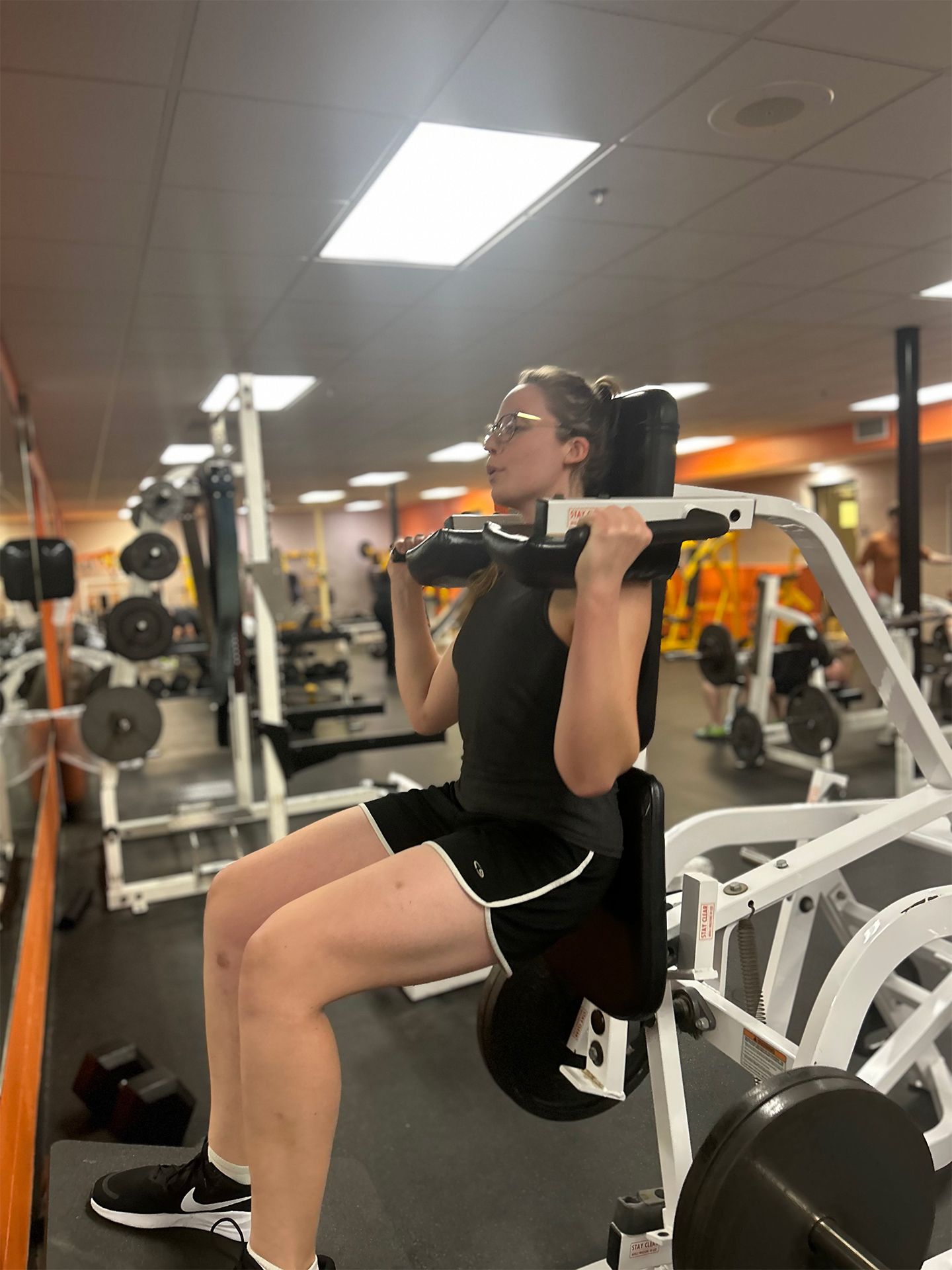
Woman using a seated squat machine at a gym.
By Lyssa Lovejoy, Owner, ACE, AFAA, ISSA, NETA • January 19, 2026
What Are Compound Exercises?
By Lyssa Lovejoy, Owner, ACE, AFAA, ISSA, NETA • January 2, 2026
It’s Not About Day One — It’s About Your Stage We put a lot of pressure on starting “right.” New month. New week. New Monday. The “perfect” Day 1. But real change doesn’t move in a straight line—it moves more like a spiral . People often cycle through readiness, action, and slip-ups before things finally stick. That’s normal, not failure. So instead of asking, “Did I start on the right day?” Try asking, “What stage am I in—and what do I need right now?” The 5 stages most people move through These stages are part of a well-known behavior change framework (often used in fitness and health coaching): ACE Fitness Pre-Contemplation – Not thinking about change yet. Contemplation – Thinking about it… weighing pros/cons. Preparation – Making small moves, getting ready. Action – Doing the workouts consistently (often defined as under 6 months). ACE Fitness M a intenance – Keeping it going long-term. The goal isn’t to force yourself into “Action” overnight. The goal is to match your next step to your stage . A few facts that take the pressure off For overall health, adults should aim for 150 minutes of moderate activity per week (or 75 minutes vigorous), plus 2 days of muscle strengthening . Those minutes can be broken up —it doesn’t have to be perfect or all at once. Consistency builds when you feel oriented and supported , not when you feel judged by the calendar. What to do at each stage (Fitness Evolution style) If you’re in Contemplation Your win is clarity. Decide why you’re doing this (energy, stress, confidence, strength, sleep). Pick a realistic first goal: “2 visits this week” beats “I’m changing my life starting tomorrow.” If you’re in Preparation Your win is setup. This is where we want you to feel grounded inside the club: Get oriented to the facility Learn where things are Meet a department head / staff leader Ask what your best “starter plan” looks like That’s where the magic begins—when you feel like you belong here. If you’re in Action Your win is repeatability. Keep it simple. Track attendance, not perfection. Build a schedule you can repeat on your worst week. If you’re in Maintenance Your win is staying connected. Add variety (a class, a new lift, a new challenge) Revisit your “why” Keep a support loop—because life will life. Let’s start here Not with “Day 1 pressure”… but with a next right step . ✅ Get A workout under your belt. ✅ Get comfortable in the building. ✅ Get connected to people who can guide you. And if you want a fun nudge, grab our Member Starter Card at the front desk—complete it and turn it in for a gift.
By Lyssa Lovejoy, Owner, ACE, AFAA, ISSA, NETA • June 16, 2025
If you’ve ever felt short on time but still wanted a workout that torches calories, builds strength, and challenges your limits, Tabata might just be your new best friend. 
Lyssa Lovejoy
By Lyssa Lovejoy, Owner, ACE, AFAA, ISSA, NETA • May 13, 2025
Why we sometimes lift better when someone’s watching and what that says about us I’ve caught myself doing it. You probably have too. You're mid-set, focused, grinding then someone walks by. Maybe it’s a trainer, a strong lifter, or someone attractive. Suddenly your back straightens, the bar feels lighter, and you’re lifting like you're auditioning for a superhero movie. So what’s happening here? Is it ego? Is it instinct? Is there science behind why we lift better when eyes are on us? Turns out, yes. And it’s not just vanity it’s psychology, biology, and a little bit of gym-floor drama. Do You Lift Harder When People Are Around? Here are a few questions worth asking yourself: Do you change your intensity when someone’s nearby? Are you more focused or more distracted when others are watching? Have you ever lifted heavier than planned just because you “felt watched”? Do you find yourself aiming for perfect form or a perfect impression? If you've said yes to any of these, you're not alone. And science has a name for it. The Science of Being Seen: Social Facilitation & the Observer Effect Back in 1898, a psychologist named Norman Triplett studied cyclists and found they performed better when riding with others than alone. Since then, dozens of studies have confirmed what we feel in our bones: we often perform better when someone is watching. This is called social facilitation when the mere presence of others boosts our performance on tasks we’ve practiced. In a gym setting, this can translate to: Better form under the mirror or peer pressure Lifting more weight during a crowded workout session Higher motivation in group classes or partner workouts The observer effect also plays a role. Knowing you’re being watched, even subconsciously, alters behavior. This effect is so powerful it's even used in productivity studies and animal behavior research. In the gym, it can either sharpen your focus or lead you down the path of ego lifting. The Hormonal Boost: Testosterone & Competition There's also a physiological piece. When you're in a competitive or observed environment, your body releases testosterone , which can increase aggression, confidence, and power output. That surge might explain why your barbell feels just a bit lighter when you think someone’s checking your form (or your glutes). The Fine Line: Motivation vs Ego Lifting Let’s be real there’s a dark side. That extra rep may look cool, but if it’s compromising your form or pushing past your recovery threshold, it’s not strength it’s show. Ego lifting adding weight to impress, not progress "is a trap". It can lead to: Injury Burnout Inconsistent gains A training plan that’s built for the crowd, not your goals Are You Lifting for Progress or Performance? There’s a difference between lifting to show up and lifting to show off. So ask yourself: Who are you really lifting for? Are your gym gains built on consistency or on comparisons? If no one was watching, would you still train this hard? Your best lifts should be about you. The real you. The one who shows up even when the gym is empty and no one's filming. How to Harness the Watchful Eye (Without Losing Yourself) Here’s how to channel that external energy without letting it derail you: ✅ Use mirrors to check form, not flex ego ✅ Record your lifts for feedback's just followers ✅ Train with a partner who pushes, not pressures ✅ Let attention focus you, not define you You can let the spotlight sharpen your drive, but don’t let it blind your discipline. Final Thoughts: Be Your Own Hype Crew When people are watching, it's easy to lift like the world is your stage. But when no one’s there? That’s where champions are made. So yeah… maybe this lift is about you. But not because you want applause. Because you want growth. Power. Progress. You're not vain for wanting to be seen. You're human. Just remember: the most important audience is the one in your own head. REFERENCES: Dr. Deborah Feltz – Michigan State University Leading researcher in sport psychology, self-efficacy, and how social presence influences athletic performance. Dr. Michelle Segar – University of Michigan Expert in exercise motivation and sustainable behavior change; author of No Sweat and The Joy Choice. Dr. Alia Crum – Stanford University Director of the Stanford Mind & Body Lab; studies how mindset and perception impact physical health and performance. Dr. Robert J. Vallerand – Université du Québec à Montréal Creator of the Dualistic Model of Passion; research focuses on motivation, passion, and optimal performance. Dr. Kai Laird – Independent Sport Psychology Consultant Specializes in mindset, visualization, and performance under pressure for elite athletes.
April 7, 2025
Childhood obesity is one of the most serious public health challenges of the 21st century. According to the American Council on Exercise (ACE), nearly 1 in 5 children (19.7%) in the U.S. are classified as obese, a number that has tripled over the last 40 years. The consequences aren't just about physical appearance — they impact a child’s entire future, increasing the risk for conditions like diabetes, heart disease, and mental health issues. At Fitness Evolution, we believe every child, teen and young adult deserves a strong, healthy start. Understanding the problem is the first step toward creating solutions that work.