The Loneliness We Don’t Talk About in Fitness
We’re Surrounded By People… So Why Are So Many Still Struggling
This blog is lengthy but worth the time. I address how we: Owners, coaches, front desk staff, personal trainers, longtime members, class regulars & even the quiet person stretching in the corner can contribute.
Being in gyms since 1991! I have witnessed "A LOT" of incredible transformations.
Strength.
Weight loss.
Confidence.
Friendships.
Recovery.
But I have also witnessed something else.
People quietly struggling.
Depression.
Isolation.
Stress.
Loss of identity.
Emotional & pysical exhaustion.
And sometimes those struggles can lead people into choices, behaviors, and places that are not healthy for them.
What makes it difficult to understand is this: many of these individuals were not completely alone.
They had gym friends.
Workout partners.
People who greeted them at the front desk.
People who sweated beside them in classes.
People who genuinely cared.
From the outside, it looked like connection.
So why are so many people still hurting or feeling disconnected?
As fitness professionals, coaches, trainers, and leaders, I think we need to ask ourselves some harder questions.
Not because we can solve everything.
And not because fitness can replace therapy, medical care, family, or deep emotional support.
But because maybe we are being called to pay closer attention to the humans walking through our doors.
At the same time, I think this conversation is bigger than fitness professionals alone.
Gym culture is not created only by owners, trainers, and coaches.
It is shaped by every person who walks through those doors.
The longtime member.
The front desk conversation.
The person who notices someone missing from class.
The person willing to smile at the newcomer who feels uncomfortable walking in for the first time.
Community is not built by one person.
It is built by all of us.
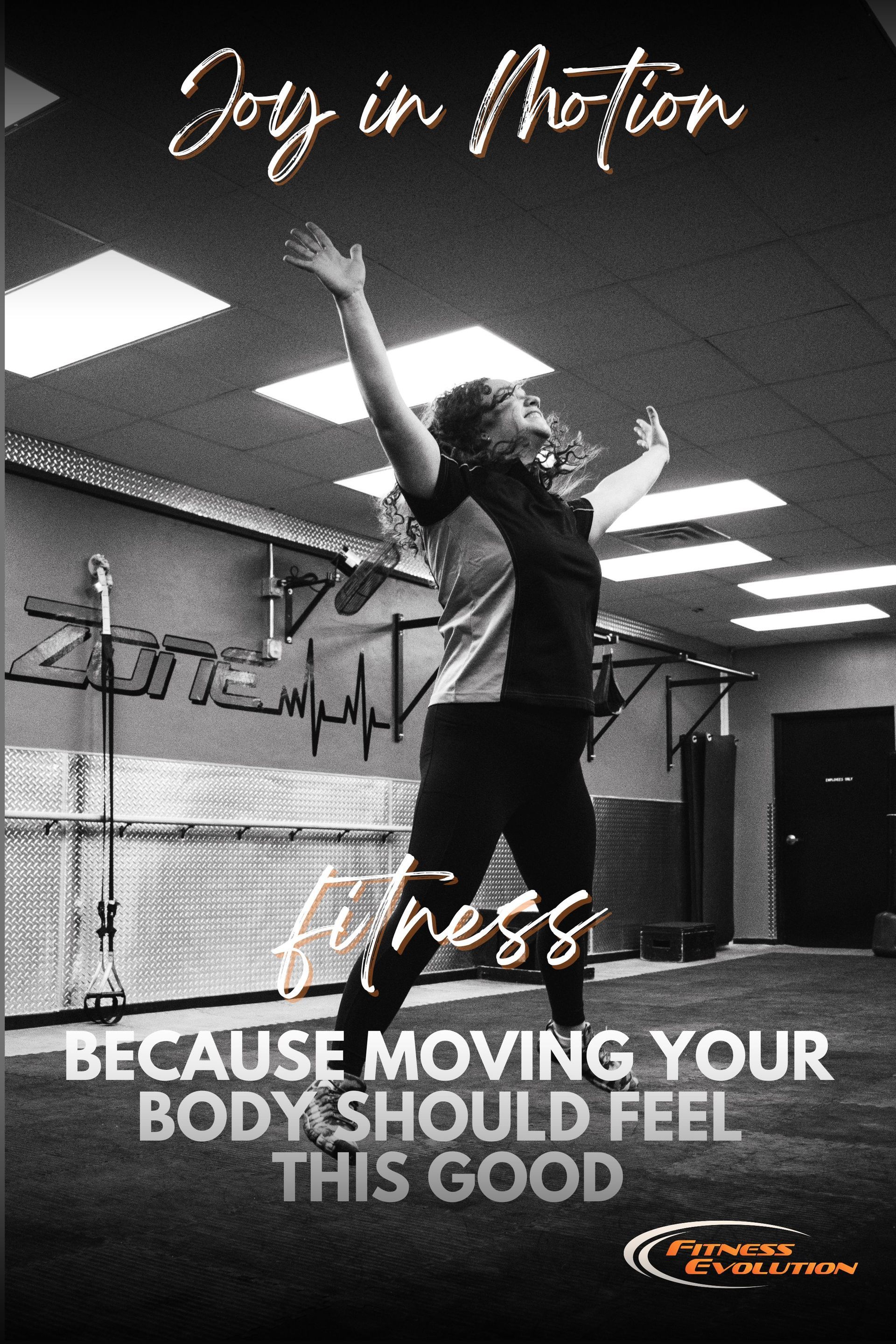
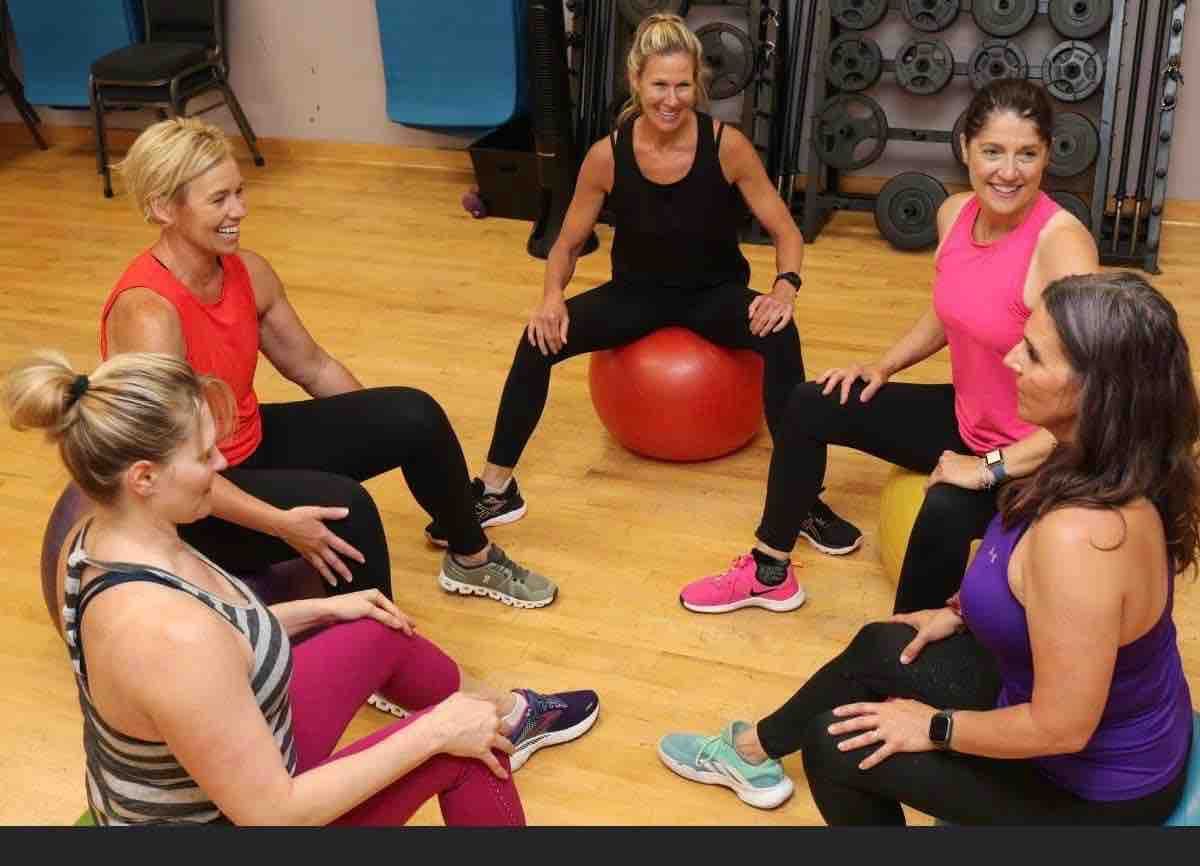
Are we creating community or simply proximity?
There is a difference between being around people and truly feeling seen.
A packed class does not always equal connection.
Sometimes people can laugh, motivate others, show up consistently, and still feel completely isolated internally.
Because being part of a gym community is more than scanning a membership card and putting headphones on.
As members, we also help shape the culture people walk into every day.
Do we introduce ourselves to the new person?
Do we encourage someone struggling?
Do we notice when someone disappears for weeks?
Do we make space for people who may not feel like they belong yet?
Sometimes people are carrying battles we would never recognize from the outside.
And while none of us are responsible for saving another person, we do have the ability to make spaces feel warmer, kinder, and more human.
A gym can become one of two things.
A place where people simply work out beside each other.
Or a place where people genuinely feel connected.
That choice belongs to all of us.
Are we asking how people are really doing?
Not the automatic “How are you?”
But the real version.
The pause.
The eye contact.
The willingness to notice when someone’s energy changes.
Sometimes people do not need fixing.
Sometimes they simply need acknowledgment.
Have we made fitness only about performance?
Calories.
Steps.
Weight loss.
Progress photos.
Personal records.
These things have value.
But somewhere along the way, many people stopped feeling like human beings and started feeling like projects that constantly needed improvement.
That pressure can quietly become exhausting.
Are we teaching people how to reconnect with themselves?
Fitness is not punishment.
Movement is not supposed to come from shame.
The gym can become one of the few places where people reconnect with their body, their confidence, and their worth.
But only if we create an environment where people feel safe enough to be human first.
And maybe the hardest question of all
What can we realistically do and what can’t we?
As coaches and fitness professionals, we are not mental health experts unless properly trained.
We cannot carry the responsibility of fixing every struggle someone walks in with.
But we can notice.
We can listen.
We can create spaces of belonging.
We can remove shame.
We can encourage support.
We can remind people they matter.
Sometimes the greatest impact is not the workout itself.
Sometimes it is the moment someone realizes:
“If I don’t show up, somebody notices.”
And maybe that matters more than we think.
So perhaps the question is not “How do we fix loneliness?”
Maybe the better question is:
“What kind of spaces are we creating for people who are silently carrying it?”
And maybe before we answer as professionals, we ask ourselves first.
Have I truly felt seen lately?
Have I allowed myself to be honest?
Am I connected or simply surrounded by people?
Because this conversation is bigger than fitness.
It is human.