Let’s Talk Cross Training and CrossFit-Style Training
ACE, AFAA, ISSA, NETA
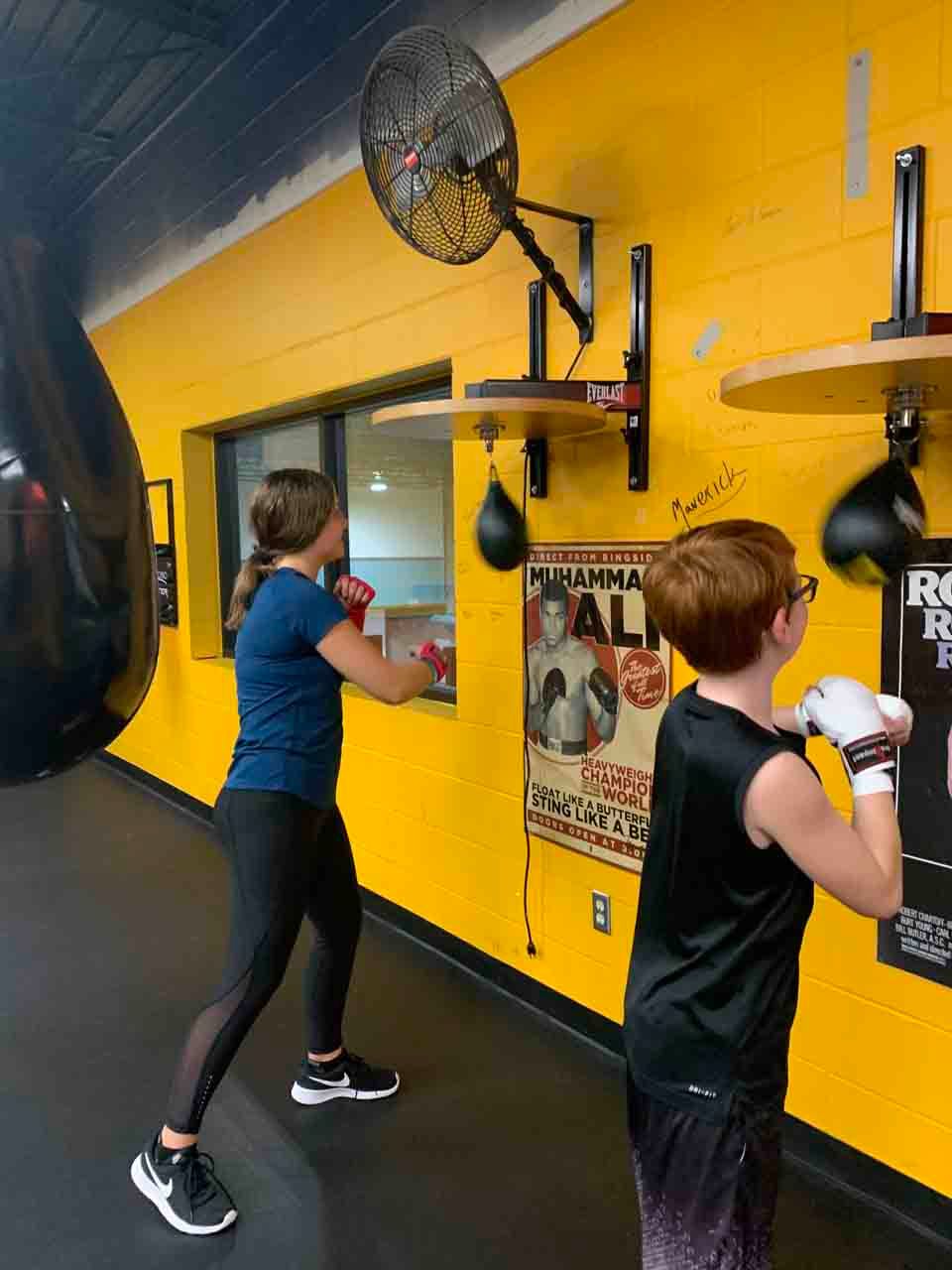
I’ve been a trainer for over two decades, and long before CrossFit became CrossFit, many of us were already training this way. We combined strength, cardio, bodyweight exercises, intervals, agility, mobility and functional movement because it worked.
CrossFit helped bring this style of training into the mainstream, but there is an important distinction: CrossFit is a specific training methodology and brand. Cross training is a much broader approach to fitness.
So, What Is Cross Training?
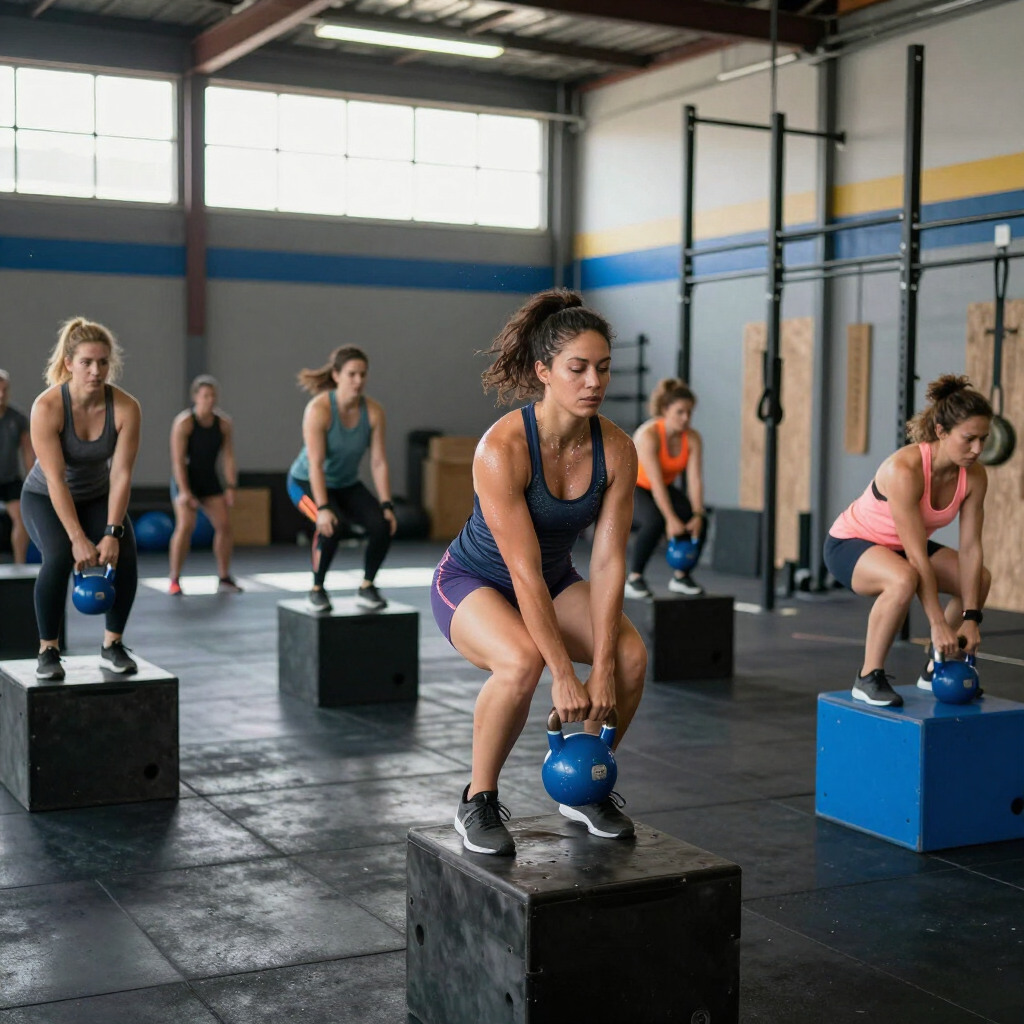
Cross training simply means training your body in more than one way.
Instead of getting on the same treadmill five days a week, you might walk or run one day, strength train another, cycle the next and add yoga or mobility work later in the week. The idea is to challenge different parts of your fitness rather than continually asking your body to do the exact same thing.
It doesn’t have to be complicated.
For an athlete, cross training might be used to improve something specific. A runner may add strength training. A cyclist might add core work and yoga. A basketball or soccer player might incorporate agility, power and plyometric training.
For the rest of us, it can simply mean building a body that is stronger and more capable for everyday life.
You don’t have to consider yourself an athlete to benefit from training your body like one.
Where Does CrossFit-Style Training Come In?
This is where things can get fun.
CrossFit-style workouts often combine several elements into one session: strength exercises, bodyweight movements, cardio and higher-intensity intervals.
Here’s a simple example:
3 Rounds
10 squats
10 pushups or elevated pushups
10 dumbbell rows
30 seconds of jumping jacks, marching or fast feet
Rest and repeat.
Or try:
20-Minute Workout
5 minutes on the bike
10 lunges
10 dumbbell presses
10 step-ups
1 minute of faster cardio
Repeat at a pace that works for you.
You can make either workout harder or easier depending on your fitness level. That is one of the things I love about this type of training. It can meet you where you are.
Why Cross Train?
Because your body is capable of more than doing the same thing over and over again.
Cross training can help develop cardiovascular fitness, strength, muscular endurance and flexibility while giving you more variety in your workouts.
And let’s not overlook something incredibly important: boredom.
If you’ve been doing the same workout for months and you’re starting to dread going to the gym, change something. Variety can make training interesting again and can help people stay more consistent with their workouts.
The best workout program in the world doesn’t do much good if you stop showing up.
Another Big Benefit: Reducing Your Risk of Injury
Doing the same activity day after day means you’re repeatedly asking the same muscles, joints and movement patterns to do the work.
Over time, that repetition can contribute to overuse injuries, especially when recovery, strength or mobility are missing from the equation.
Cross training gives you an opportunity to vary that stress while still staying active.
If you’re a runner, that might mean adding strength training and cycling.
If you love lifting, maybe you add mobility, swimming or some lower-impact cardio.
If you’re always doing high-intensity workouts, your cross training might actually mean slowing things down once or twice a week.
More isn’t always better. Sometimes different is better.
Keep It Simple
- Combine strength and cardio. Do 10 minutes on the bike, a few rounds of strength exercises and finish with another 10 minutes of cardio.
- Add a bodyweight circuit. Squats, lunges, pushups, step-ups, planks and jumping jacks can make a great workout.
- Change your cardio. If you always walk or run, try cycling, swimming, the elliptical, rowing or the stair climber.
- Pick up some weights. If cardio is your comfort zone, add a couple of strength-training days.
- Try intervals. Alternate one minute at a faster pace with two minutes at your regular pace. You can do this walking, running, cycling, rowing or on an elliptical.
- Work on mobility. Yoga, Pilates, stretching and mobility work count too. Cross training isn’t about going hard every single day.
- Do something you enjoy. Hike. Bike. Dance. Play pickleball. Take a group fitness class. Try something you’ve never done before.
Fitness doesn’t have to look the same every day to count.
Now, Give All That Training Some Direction
You can be incredibly motivated and still benefit from having someone help you figure out exactly where you’re going.
As a Fitness Evolution member, you have access to a goal assessment. Take advantage of it!
Sit down with a trainer. Talk about where you are now, where you want to go and what might be missing from your current routine.
Maybe you need more strength.
Maybe your mobility needs attention.
Maybe you’ve been doing plenty of cardio but very little resistance training.
Or maybe you’re working hard, but you really don’t know whether what you’re doing is moving you toward your goal.
That’s where measurable goals matter.
Training without a plan and measurable goals is a little like driving in the dark without headlights. You might keep moving, but you have no clear idea if you’re actually headed where you want to go.
A trainer can help turn the headlights on.
And if committing to ongoing personal training isn’t in your budget right now, that doesn’t mean you have to train without direction. You can purchase a training plan designed around your goals, fitness level and budget and then take that plan into the gym and do the work yourself.
For the self-motivated person, that’s a win-win.
Happy Training!